Step into the tranquil beauty of Lake Mburo National Park, a serene gem nestled along the scenic Kampala-Mbarara highway in western Uganda. Despite its modest size, spanning just 370 square kilometers, this park is a treasure trove of natural wonders and cultural heritage waiting to be explored. Join me on a journey through its diverse landscapes, rich wildlife, and fascinating history as we discover the captivating allure of Lake Mburo.
Lake Mburo is the smallest of Uganda’s savannah parks. But don’t let its size fool you – this park is teeming with life and rich history. Its landscape, ranging from acacia woodland to rocky outcrops, offers a glimpse into the diverse habitats of the region.
Named after Lake Mburo, the park is home to the iconic impala, found nowhere else in Uganda. But its significance goes beyond wildlife – Lake Mburo has a storied past, from its days as a controlled hunting ground to its transformation into a national park in 1983.
As you traverse the park, you’ll encounter a mosaic of ecosystems, from open savannah to dense forests. Climate change has left its mark, with acacia woodlands proliferating in recent years. But amidst these changes, the park remains a haven for nature enthusiasts.
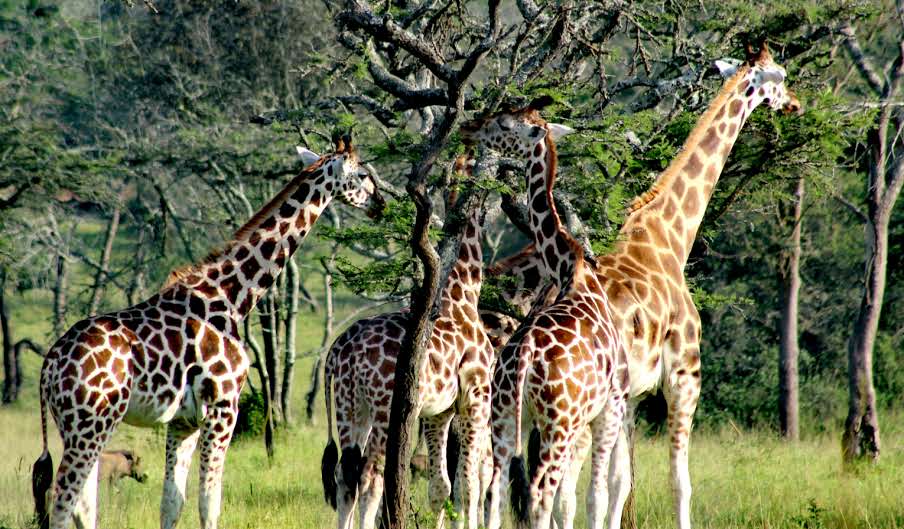
Birdwatchers will delight in the 350 bird species that call Lake Mburo home, from the majestic crowned crane to the elusive African finfoot. And with over 68 mammal species, including impalas, zebras, and giraffes, there’s no shortage of wildlife to spot on game drives.
But Lake Mburo is more than just a wildlife sanctuary – it’s a window into the cultures of the region. Meet the Bahima people, cattle keepers who have lived in harmony with the park for generations. Experience their way of life, from milking cows to crafting traditional artifacts.
Accessing the park is a breeze, with just a four-hour drive from Kampala. So why not escape the hustle and bustle of the city and immerse yourself in the beauty of Lake Mburo National Park? It’s a journey you won’t soon forget.
No results
