Uganda
Uganda has beautiful weather and her citizens are very proud of it. The national anthem speaks of Uganda as ‘the land that feeds us by sun, and fertile soils’.
Located in the Great Lakes region, the country’s weather and climate is regulated by its abundant water bodies, forest cover, and the Equator. Western Uganda is the wettest and coolest region due to the thick forests and mountain ranges. Northeastern Uganda is the driest region with a semi-arid climate caused by the warm north eastern winds blowing from the Ethiopian highlands.
There are generally two rainy seasons in the country; March to May, and mid-September to November. There are also two dry seasons. December to February (the main dry season) & June to mid-September (the mini-dry season). But the temperatures are always high regardless of the seasons.
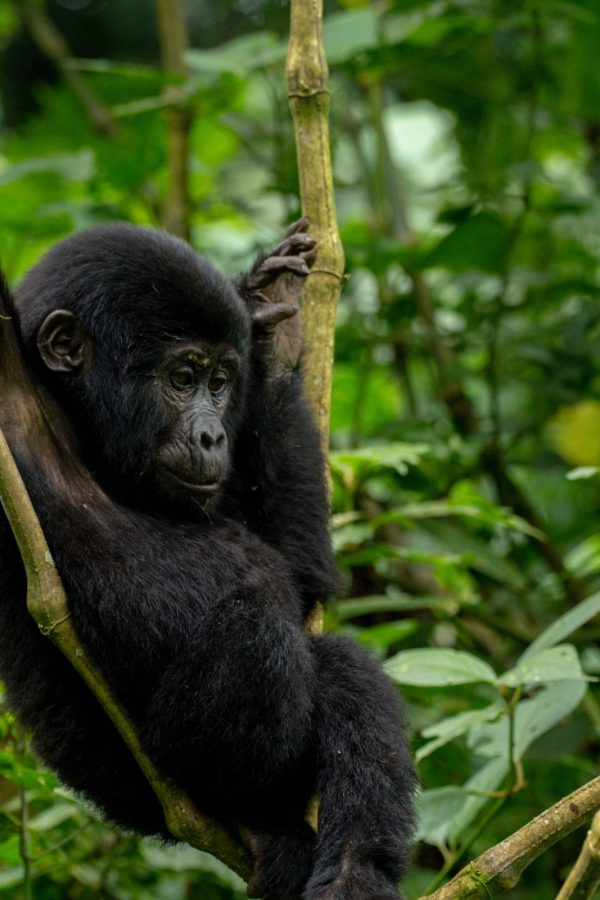
Kampala, Uganda’s capital, is probably the city with the best weather in the country. With an average altitude of 1177m, Kampala city is located along the shores of Lake Victoria and receives a nice breeze. March and April are the city’s dampest months. This contrasts with Murchison Falls NP where the heaviest rains occur from August to November. July, January and February are the driest months in Kampala and Uganda at large. Bwindi Impenetrable NP is one of the coldest places in Uganda due to its high altitude; rainiest is March and May. This probably explains the thick fur on the gorillas since Bwindi temperature can drop up to 7 degrees centigrade in the nights. However, it can also reach up to 30 degrees centigrade during a hot and sunny day. Be aware that the weather in Bwindi, regardless the seasons, can change quickly and unexpected, so don’t forget your rain jacket. Kidepo Valley NP is Uganda’s hottest national park. The park’s average temperature is 28 degrees centigrade, though it has been reported to occasionally rise to a whopping 36 degrees centigrade in the hottest months.
Uganda’s average temperature is 27 degrees centigrade. July and August being known as the coolest and most pleasant months.
However, we feel the climate change in Uganda as well, so that the seasons keep changing and making predictions has become very difficult in the last years.