Spectacular safaris engages in different activities that support sustainable tourism. These include community engagements, donations to conservation societies and agencies and eco-friendly policies.
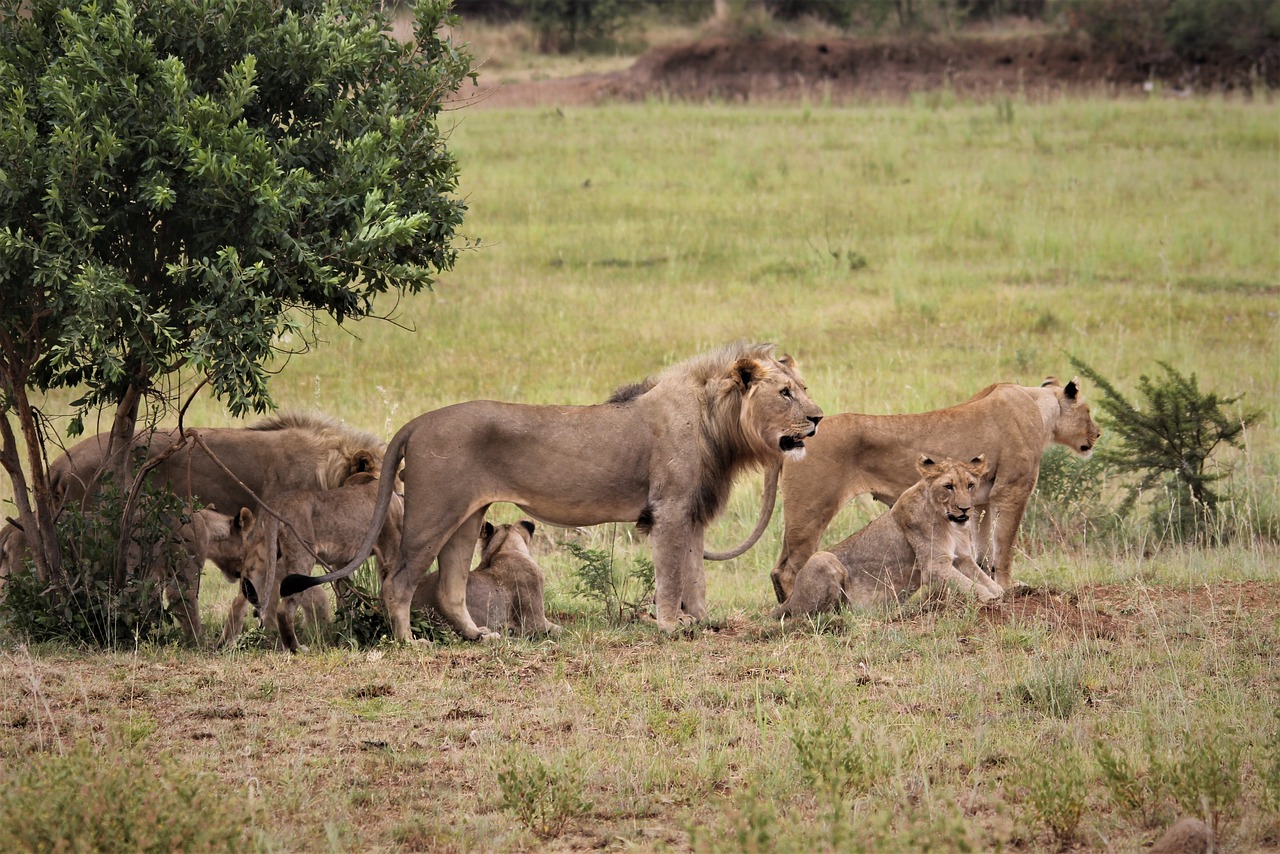
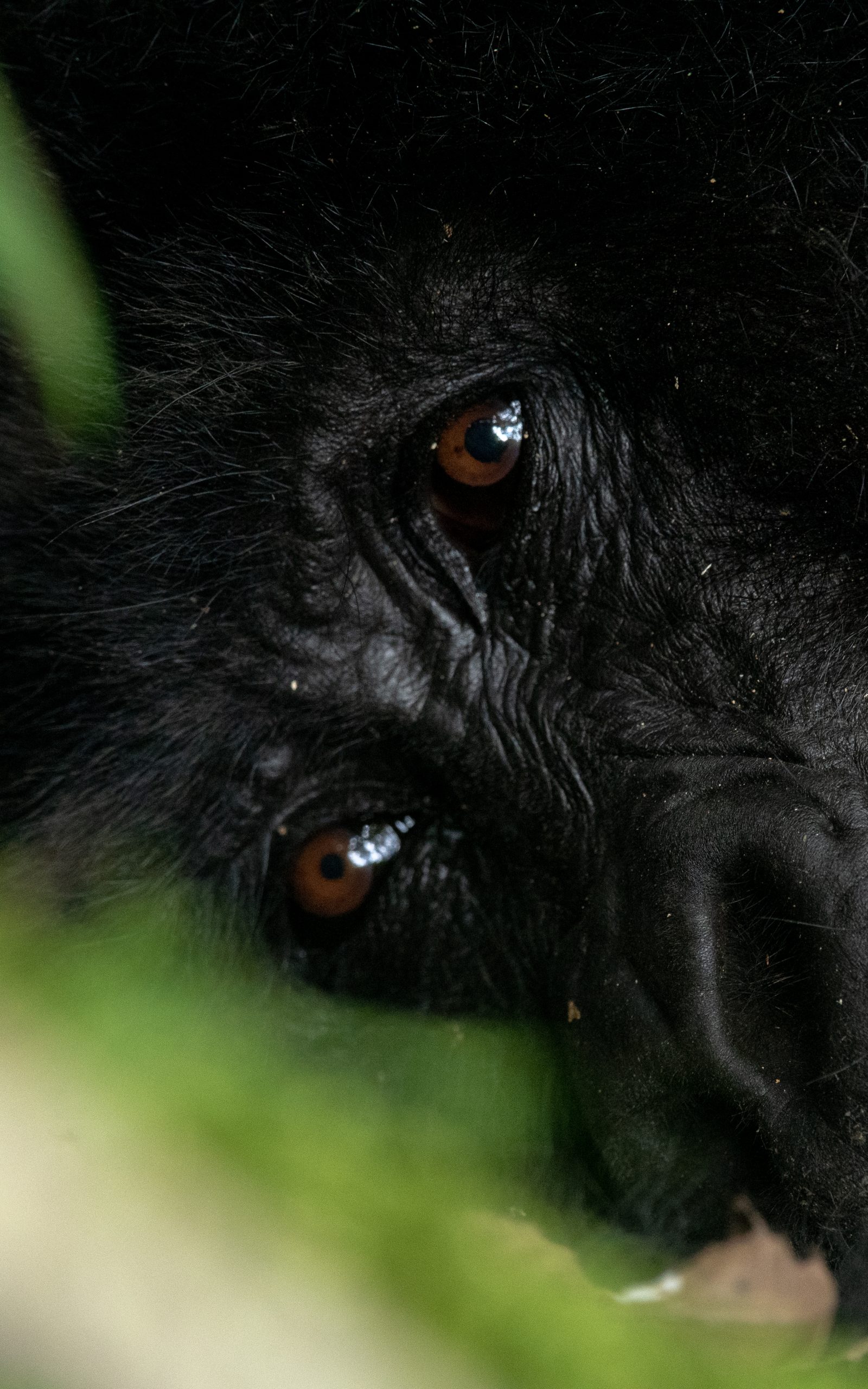
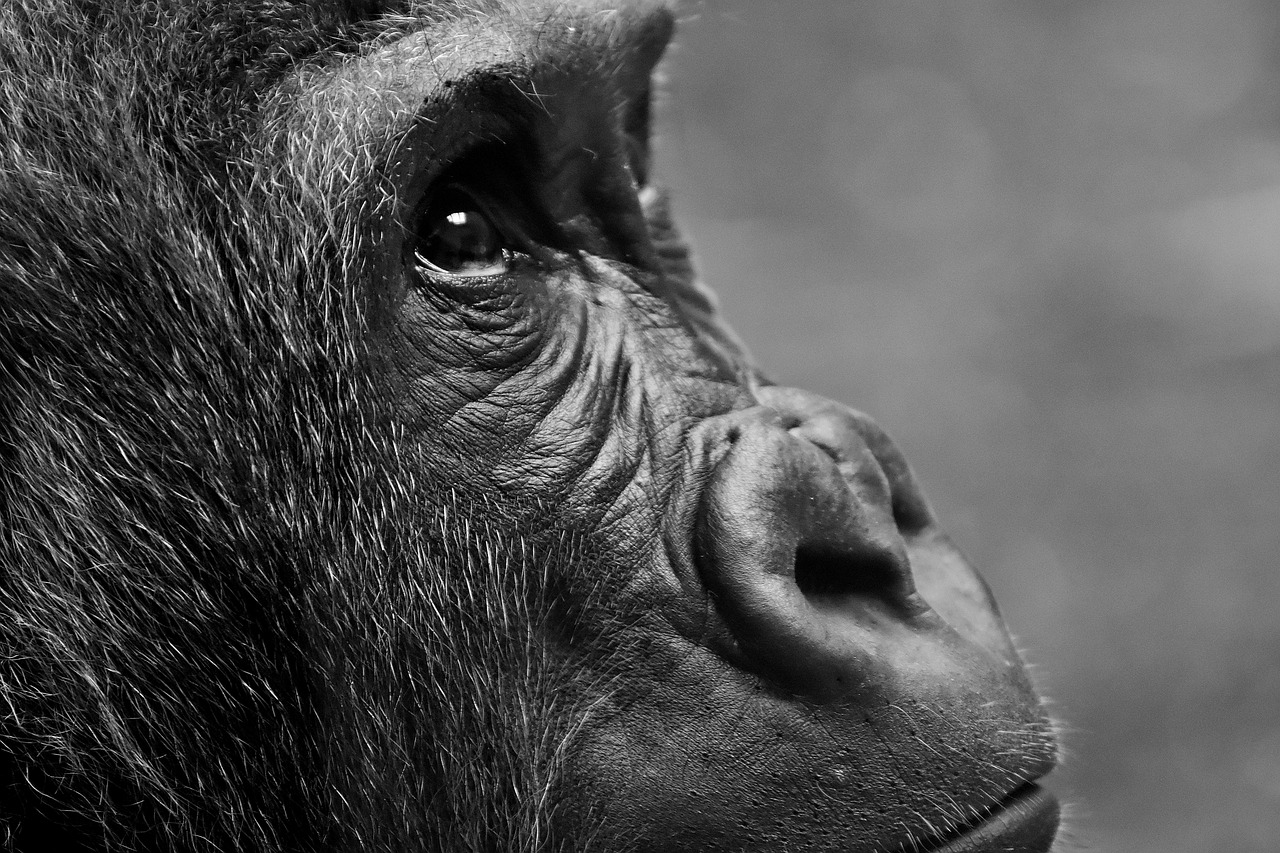
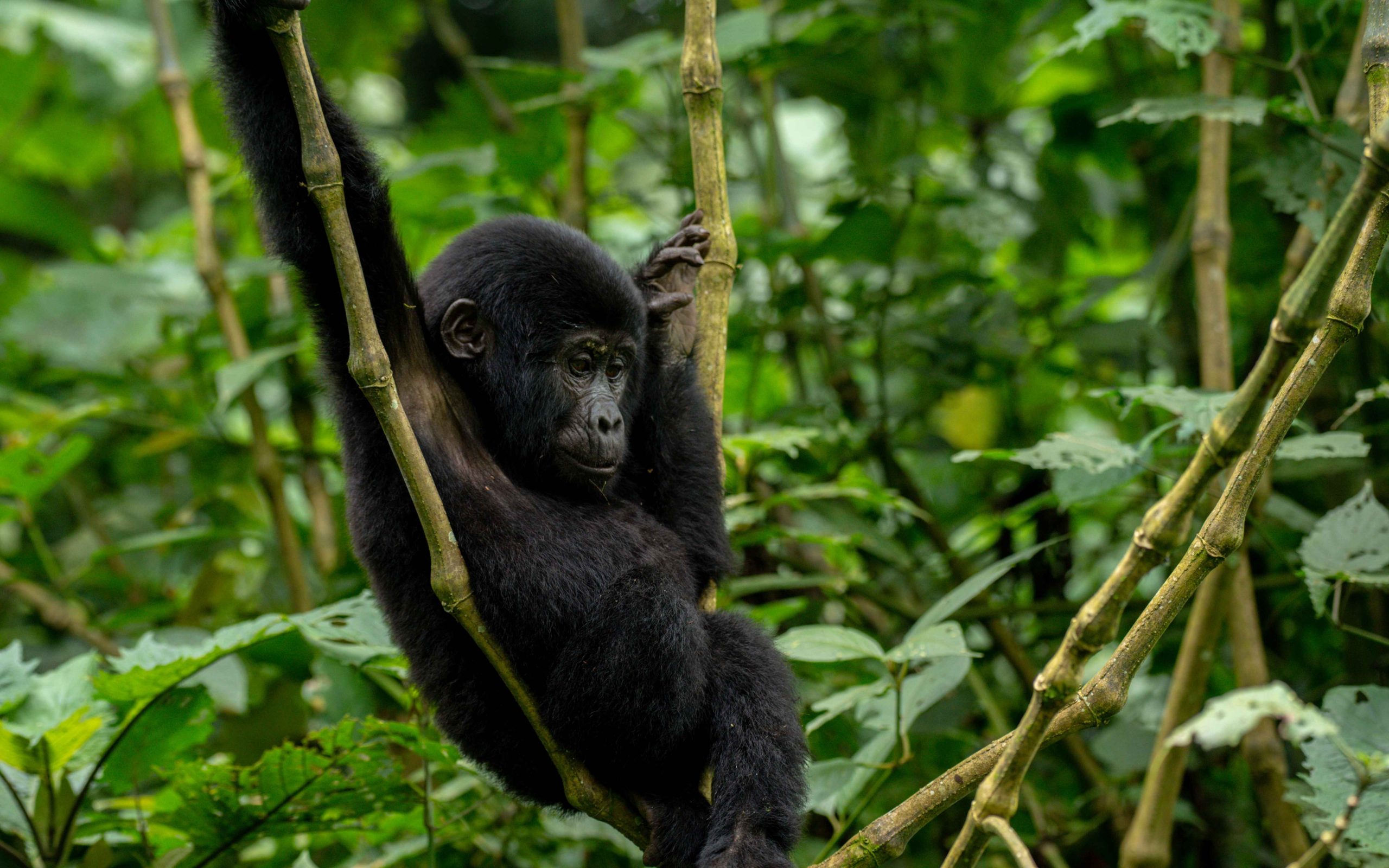
National Parks and Reserves: Uganda is home to numerous national parks and wildlife reserves that prioritize conservation. Notable examples include Bwindi Impenetrable National Park and Mgahinga Gorilla National Park, which are renowned for gorilla trekking.
Anti-Poaching Efforts: Initiatives like the Uganda Wildlife Authority’s anti-poaching programs help protect endangered species and ensure sustainable wildlife tourism.
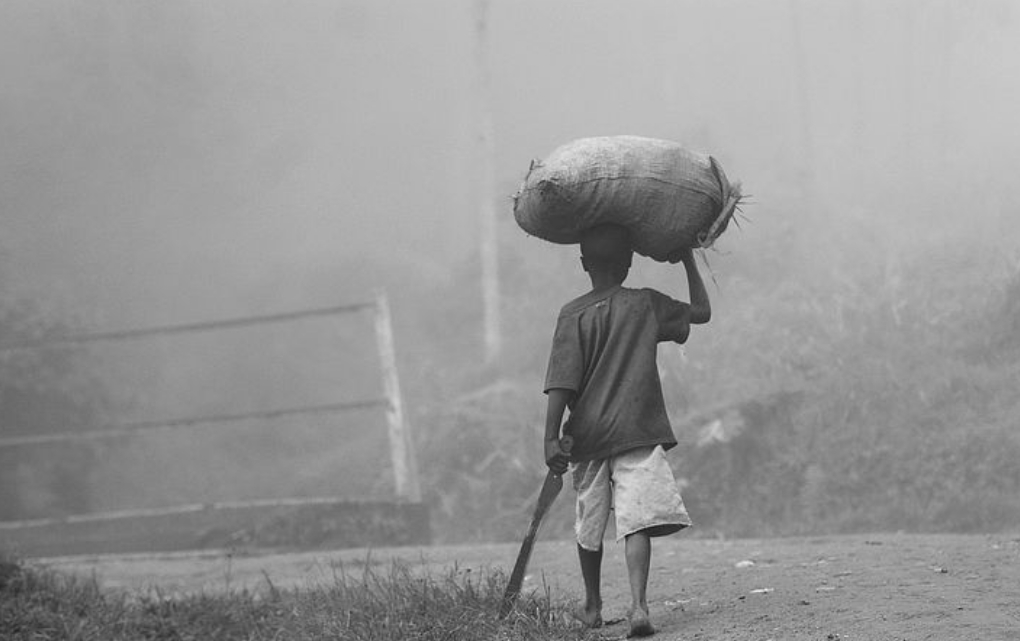
Local Engagement: Projects such as the Ruboni Community Camp and the Nkuringo Community Conservation and Development Foundation involve local communities in tourism activities, ensuring they benefit economically while preserving their culture and environment.
Cultural Experiences: Tourists can participate in cultural tours that offer insights into the traditional lifestyles of Ugandan tribes, fostering mutual respect and understanding.
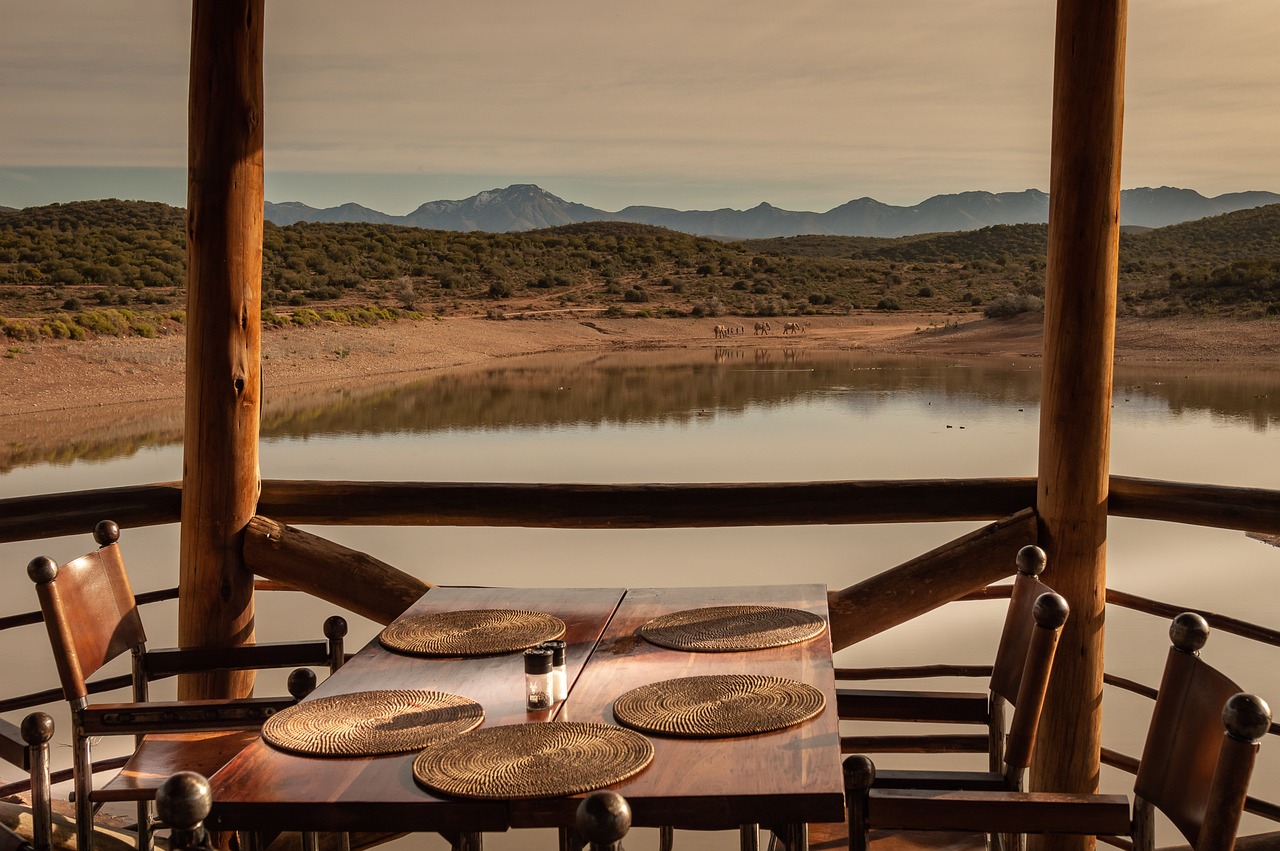
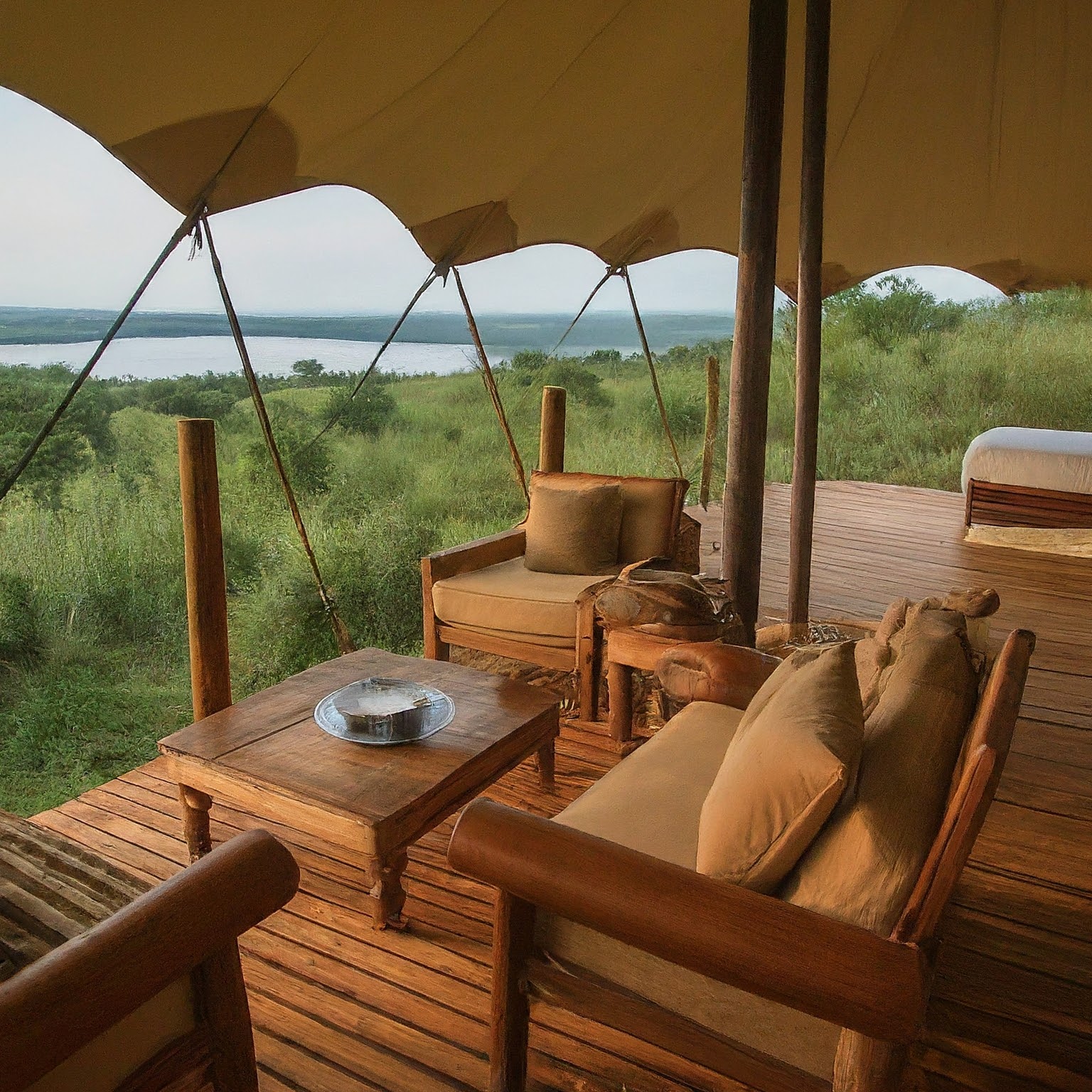
Sustainable Lodging: Many lodges and camps in Uganda are designed with sustainability in mind, using solar power, rainwater harvesting, and eco-friendly building materials.
Certification Programs: Initiatives like the Global Sustainable Tourism Council (GSTC) certification help ensure that accommodations meet high environmental and social standards.
Permits and Regulations: Uganda regulates gorilla trekking by limiting the number of daily visitors and requiring permits, which helps minimize human impact on gorilla habitats.
Conservation Fees: A significant portion of the trekking permit fees goes towards conservation efforts and community development projects.
Tourist Education: Efforts are made to educate tourists on the importance of conservation and responsible behaviour, such as avoiding single-use plastics and respecting wildlife.
Local Education: Programs aimed at local communities emphasize the benefits of sustainable tourism and the importance of preserving natural resources.