Bwindi Impenetrable National Park:
Located in the southwestern region of Uganda, Bwindi Impenetrable National Park lives up to its name, boasting dense forests and vegetation that are incredibly challenging to navigate, even on foot. Rangers must carve paths through the thick foliage to accommodate tourists eager to track the mountain gorillas residing within. The jungle’s thick canopy blocks much of the sunlight, creating a cool and tranquil atmosphere that immerses visitors in nature, providing ample opportunities to observe a variety of forest wildlife. Recognized as a UNESCO World Heritage Site in 1994, Bwindi is celebrated for its exceptional biodiversity, which includes nearly half of the world’s remaining mountain gorilla population.
Encompassing 321 square kilometers, Bwindi is entirely forested, with patches of bamboo and shrubs scattered throughout. The terrain consists of steep valleys, slippery ridges, and hilltops, contributing to the park’s ever-chilly climate. Visitors embarking on gorilla treks or birdwatching expeditions are advised to come prepared with warm clothing for the evenings and long-sleeved attire suitable for trekking. Situated at altitudes ranging from 1,160 meters to 2,607 meters above sea level, the park’s varying elevations offer diverse ecosystems to explore.
Bwindi’s impenetrable forest is divided into different trailheads, each serving as a starting point for gorilla tracking excursions. These trailheads are home to habituated gorilla families, and visitors must confirm their assigned trailhead before booking accommodations. Currently, there are 21 habituated gorilla families available for tourism, with a maximum of eight individuals permitted to visit a family per day. Due to high demand, it is recommended to book gorilla safaris well in advance to secure a spot.
In addition to gorilla tracking, Bwindi is renowned as a premier birdwatching destination, boasting over 350 bird species, including 23 Albertine Rift endemics. The park also supports a diverse array of mammals, although sightings are rare due to the dense vegetation. Among the park’s inhabitants are elephants, duikers, buffaloes, and various primate species, including chimpanzees and the iconic mountain gorillas.
Accessing Bwindi Impenetrable National Park is possible via scheduled or charter flights from Entebbe International Airport or by road from Kampala, with routes varying depending on the chosen trailhead. Once within the park, visitors can engage in a range of activities, including gorilla tracking, birdwatching, nature walks, mountain hiking, and cultural experiences, providing ample opportunities to immerse oneself in the natural and cultural wonders of this remarkable destination.
Activities
Gorilla trekking
Embarking on a mountain gorilla trekking adventure in East Africa’s Uganda and Rwanda is an experience not to be missed. However, it’s essential to secure permits in advance, as access to these majestic creatures is limited to protect their dwindling numbers. The mountain gorillas’ habitat is a rugged terrain of steep hills and valleys, making trekking challenging, especially during the wet season. Nonetheless, expert guides and porters ensure visitors can visit the gorillas year-round.
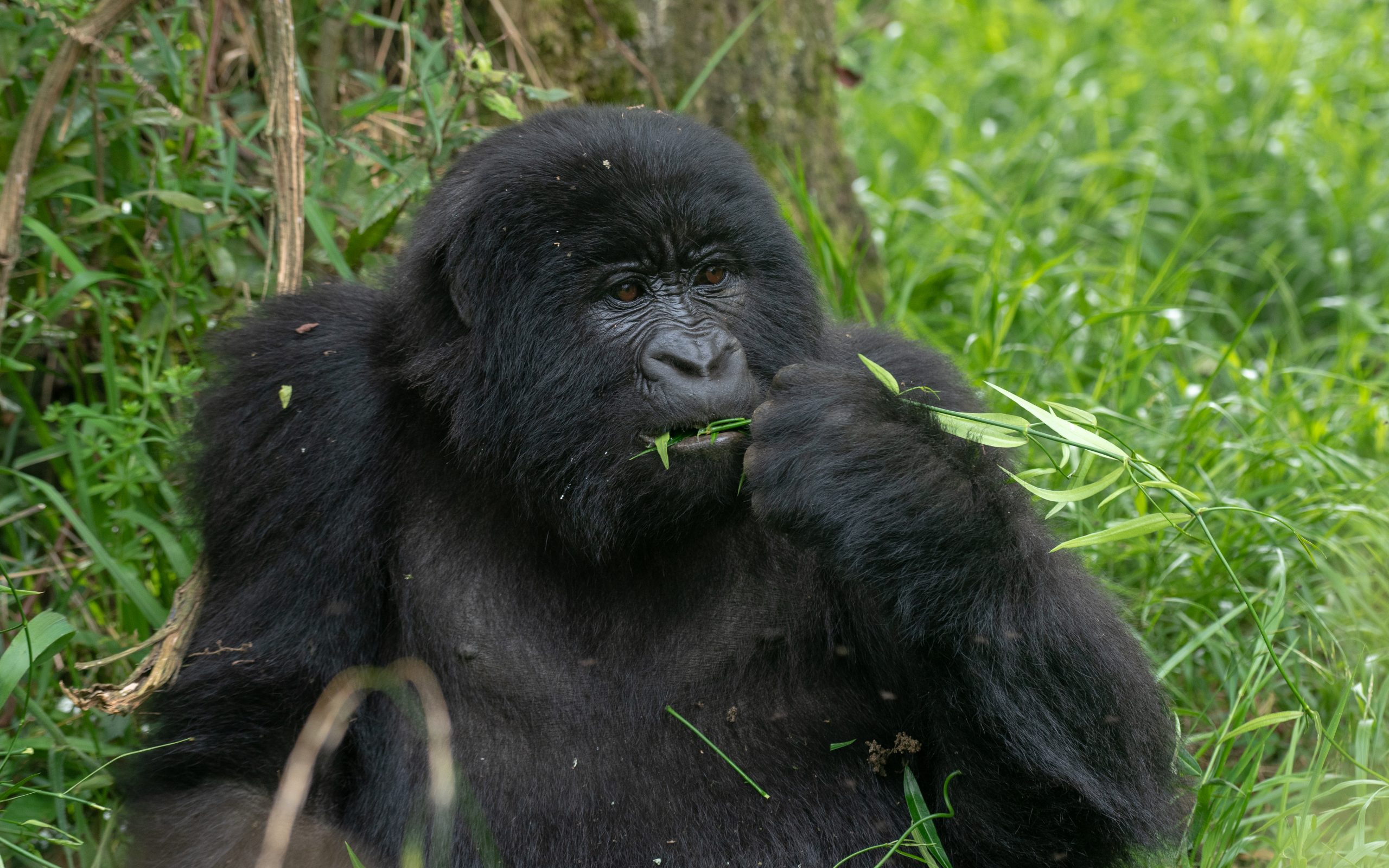
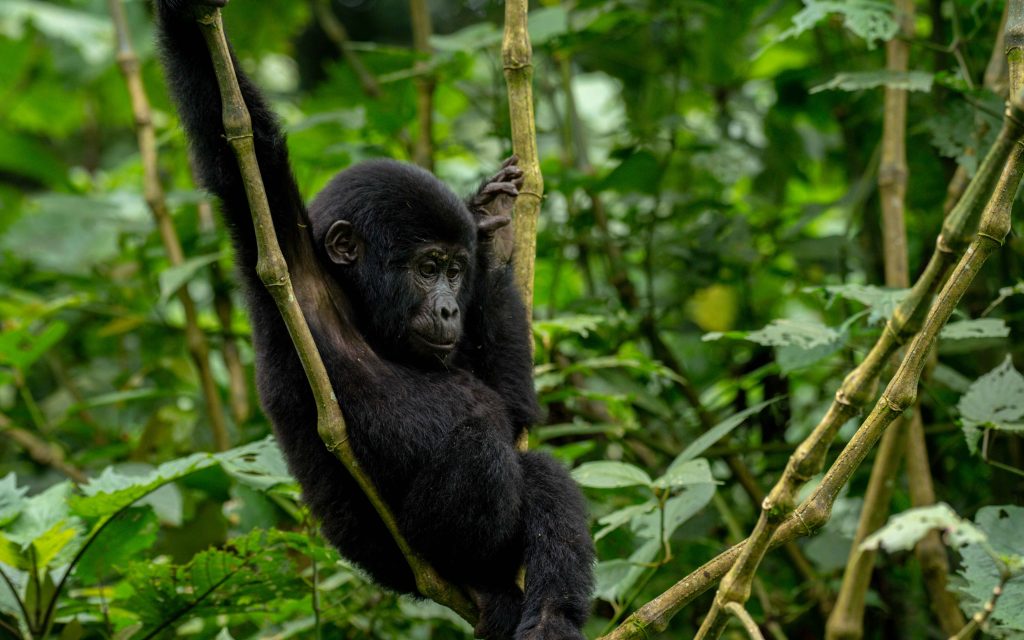
Gorillas, being ground-dwelling and herbivorous apes, are the largest primates with DNA closely resembling humans. Inhabiting the forests of central Sub-Saharan Africa, mountain gorillas are found in the Virunga landscape within the Albertine Rift, thriving at altitudes ranging from 2,200 to 4,300 meters. Despite their popularity, mountain gorillas face endangerment due to habitat loss, hunting, and disease. Conservation efforts have resulted in an increase in their numbers, with approximately 1063 individuals currently estimated.
Tracking mountain gorillas involves obtaining permits from the Uganda Wildlife Authority or through tour operators. Permits are issued based on available slots within the park’s habituated gorilla groups, with costs varying and increasing annually. Trekking can last from a few hours to a full day, depending on the gorillas’ location within the forest. Upon reaching the gorillas, visitors are granted a maximum of one hour to observe them in their natural habitat.
During trekking, certain precautions and rules must be followed to ensure the safety and well-being of both visitors and gorillas. Individual tracking is prohibited, and guides accompany each group to enforce regulations, such as maintaining a safe distance from the gorillas. Additionally, visitors are advised to cover their faces when sneezing or coughing to prevent the transmission of diseases to the gorillas.
Bwindi Impenetrable National Park, the gorillas’ home, offers various trailheads for trekking, each with its unique gorilla groups. Visitors can choose from a range of trekking options depending on their preferences and time constraints. The trekking day typically begins with registration and briefing before embarking on the journey into the forest. Porters are available to assist with carrying equipment and bags during the trek, ensuring a more comfortable experience for visitors.
At the end of a successful trek, participants receive a gorilla tracking certificate as a testament to their achievement. With its awe-inspiring scenery and close encounters with gorillas, a mountain gorilla trekking experience promises unforgettable memories and a deep appreciation for these remarkable creatures and their habitat. So why wait? Book your gorilla trekking adventure with Spectacular Safaris today and embark on an extraordinary journey into the heart of the impenetrable forest.
Canoeing at Lake Mutanda
Canoeing on Lake Mutanda offers a unique opportunity to immerse yourself in the stunning landscapes of Uganda while enjoying the tranquility of one of the country’s most beautiful lakes. Located just a short distance from the park, Lake Mutanda is renowned for its picturesque scenery and cultural richness, making it a popular destination for canoe trekking. Skilled canoeists will guide you across the lake, providing an unforgettable experience as you soak in the balmy Mutanda breeze and listen to the soothing melodies of birdsong.
What makes Lake Mutanda particularly enticing is its favorable climate and absence of crocodiles and bilharzia, allowing for a variety of water sports and activities. Surrounded by breathtaking hills adorned with lush vegetation, including forests and nature reserves, the lake’s volcanic origins add to its allure. Some of these hills are among the eight extinct volcanoes of the Virunga landscape, such as Muhabura and Mgahinga, further enhancing the area’s natural beauty. Additionally, the lake is dotted with several islands, showcasing the diverse ecosystems found in this enchanting locale.
Lake Mutanda’s accessibility is convenient, with Kisoro town just a short drive away and Kabale reachable within one to two hours. From Uganda’s capital, Kampala, it takes approximately eight to nine hours to reach the southwestern region where Lake Mutanda is nestled. Alternatively, travelers coming from Rwanda can use the Chanika border, which offers easy access to the lake in just 35 minutes. Situated at an altitude of 1800 meters within the Albertine Rift, Lake Mutanda lies on the periphery of Mgahinga and Bwindi National Parks, both renowned for their mountain gorilla populations. As such, combining a visit to Lake Mutanda with gorilla trekking is a popular choice, offering the opportunity to witness breathtaking sunrises or sunsets during your canoeing adventure.
Beyond canoeing, Lake Mutanda and its surrounding areas offer a wealth of activities to explore. From mountain biking and swimming to fishing, village walks, and birdwatching, there’s something for every outdoor enthusiast. Two islands on the lake are particularly renowned for birdwatching and reptile viewing, while designated swimming areas allow visitors to cool off in the crystal-clear waters.
Nature walks in and around Bwindi National Park provide another avenue for exploration, offering opportunities to witness the region’s diverse flora and fauna up close. Nkuringo is a prime location for nature walks, where you can encounter various primate species, including red-tailed monkeys, black colobus monkeys, and blue monkeys, amidst the lush forest landscape. Other notable attractions include the waterfalls at Munyanga, the pygmy community at Buhoma, and the shores of Lake Mutanda itself.
Bwindi’s nature walks offer a captivating blend of adventure and discovery, allowing visitors to traverse rugged peaks and slippery valleys while marveling at the forest’s beauty. Experienced forest rangers guide participants through the forest, providing insights into the local flora, fauna, and cultural heritage. Along the way, you may encounter flowing streams, diverse plant species, and an abundance of birdlife, creating a truly immersive experience in nature’s embrace.
The park also offers opportunities to engage with local communities, providing insights into traditional lifestyles, customs, and cultural practices. Whether embarking on a village walk or exploring nearby trails, Bwindi offers a glimpse into the harmonious coexistence of humans and wildlife in this remarkable ecosystem.
In conclusion, Lake Mutanda and Bwindi National Park offer a wealth of opportunities for outdoor enthusiasts and nature lovers alike. From canoeing on the pristine waters of Lake Mutanda to embarking on immersive nature walks in the heart of Bwindi’s forests, the region’s natural beauty and cultural richness make it a must-visit destination for travelers seeking adventure and exploration.
Bird watching
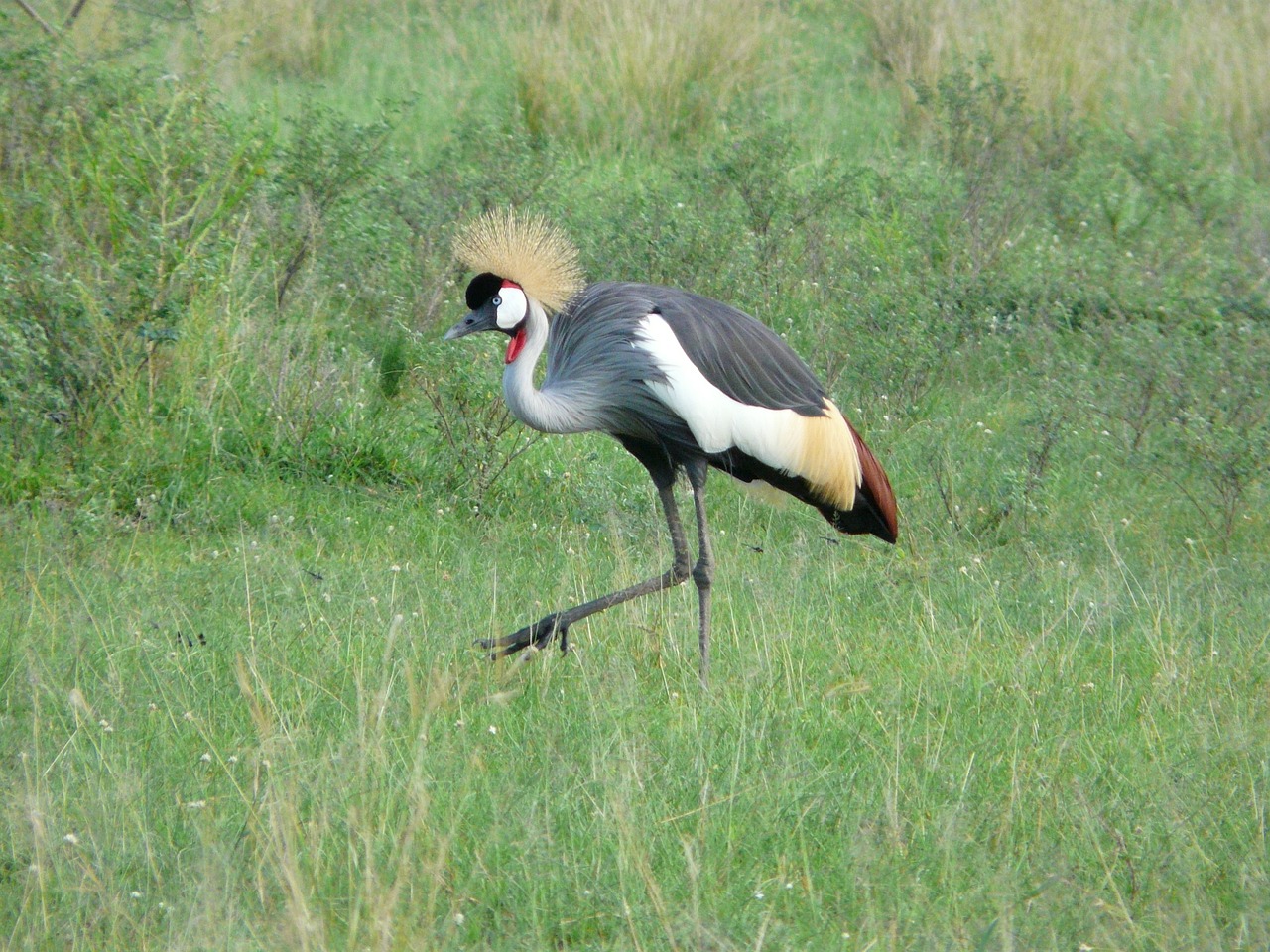
Bird watching in and around Bwindi National Park offers a captivating experience for enthusiasts, with the park boasting one of the highest percentages of bird species endemic to the Rift Valley. With over 350 bird species, including 25 restricted-range species, Bwindi’s old-growth forests provide a rich habitat for a diverse array of avian life. Among the species to keep an eye out for are the dusky twin spot, Fraser’s Eagle Owl, Robin Chat, African green broadbill, White-tailed blue monarch, Yellow-eyed black flycatcher, Dwarf honeyguide, Rusty-faced woodland warbler, and other endemic species unique to the area.
For avid birders, Bwindi is a treasure trove of biodiversity, home to 23 Albertine Rift endemics such as the short-tailed warbler, Shelley’s crimson wing, African green broadbill, and the blue-headed sunbird, as well as seven IUCN Red Data List species. Additionally, fourteen species, including the brown-necked parrot and the white-bellied robin chat, are found exclusively within Bwindi’s borders. The park also supports 25 bird species classified as globally threatened by the IUCN, including the Grauer’s Rush Warbler, African Crowned Eagle, and Dwarf Honeyguide, among others.
Each of Bwindi’s four trailheads offers excellent birding opportunities, allowing visitors the chance to spot forest rarities while exploring the park’s diverse ecosystems. Recommended trails include the River Ivi Trail between Buhoma and Nkuringo, known for its forest-edge birdwatching, and Buhoma’s Munyaga River Trail, which offers sightings of birds and primates along the forest edge. Ruhija’s Bamboo Trail, leading to the 2607m Rwamunyoni peak, and Mubwindi Swamp Trail are also popular options for bird enthusiasts.
Munyanga River Trail, nestled in the valley below the Buhoma trailhead, provides a leisurely stroll with opportunities to view birds and primates along the forest edge. The Waterfall Trail offers a journey through pristine rainforest, passing beneath tree ferns, epiphytic ferns, and orchids to visit three stunning waterfalls. Meanwhile, Rushura Hill Trail offers panoramic views across the plains of the Albertine Rift Valley and, on clear days, to Lake Edward and the Rwenzori Mountains to the north.
In summary, Bwindi National Park is an ideal destination for a birdwatching safari, offering a wealth of opportunities to observe rare and endemic species in their natural habitat. Whether exploring forest trails or admiring scenic vistas, bird enthusiasts are sure to be captivated by the park’s rich avian diversity.
Hiking around Bwindi
Exploring the lush landscapes of Bwindi National Park through hiking offers a serene and immersive experience amidst nature’s wonders. Take a break from the hustle and bustle, and allow yourself the leisure to stroll along the park’s nine trails at your own pace. Bwindi’s captivating beauty is bound to captivate you for days on end, long after your gorilla encounter has ended.
As you lace up your boots once more, prepare to delve deeper into the heart of the forest. Trails leading southwards from Buhoma to Nkuringo offer enchanting journeys, crossing babbling rivers and ascending to the lofty peaks of the park’s highest hills. The forest reveals its splendor with every step—glimpses of cascading waterfalls, volcanic ridges to conquer, and a symphony of birdcalls echoing through the trees await you.
Don’t miss the chance to explore Rwamunyonyi hill, affectionately known as the “hill of the birds,” or follow the tranquil path of the ivy river, where antelopes and bush pigs roam freely. For breathtaking vistas, ascend to peak Rushura in Buhoma, where the entirety of Bwindi’s beauty unfolds before your eyes in an unforgettable panorama.
Hiking in Bwindi offers more than just scenic views; it’s also an opportunity to encounter the forest’s elusive residents. Keep your eyes peeled for sightings of elephants, bush pigs, antelopes, lizards, frogs, and various primate species as you traverse the trails. These paths, worn by centuries of footsteps, offer clearer routes and a less strenuous alternative to tracking paths, making for a rewarding outdoor adventure.
Whether you opt for a leisurely stroll lasting a few hours or embark on a more extensive nine-hour trek, each hike promises to immerse you in the natural splendor of Bwindi, leaving you with cherished memories that linger long after the journey ends.