Often hailed as the ‘eighth natural wonder of the world,’ the Ngorongoro Conservation Area offers a unique blend of stunning wildlife, breathtaking scenery, Maasai culture, and historical archaeological sites. Spanning 8,288 square kilometers, it includes the eastern half of the Serengeti Plains, highland plateaus, volcanic mountains, craters, and gorges. At its heart lies the Ngorongoro Crater, a breathtaking central attraction. Recognized as a UNESCO World Heritage Site, the area is home to diverse habitats that support a rich array of wildlife species. The Ngorongoro Crater is the world’s largest inactive, unbroken, and unfilled caldera.
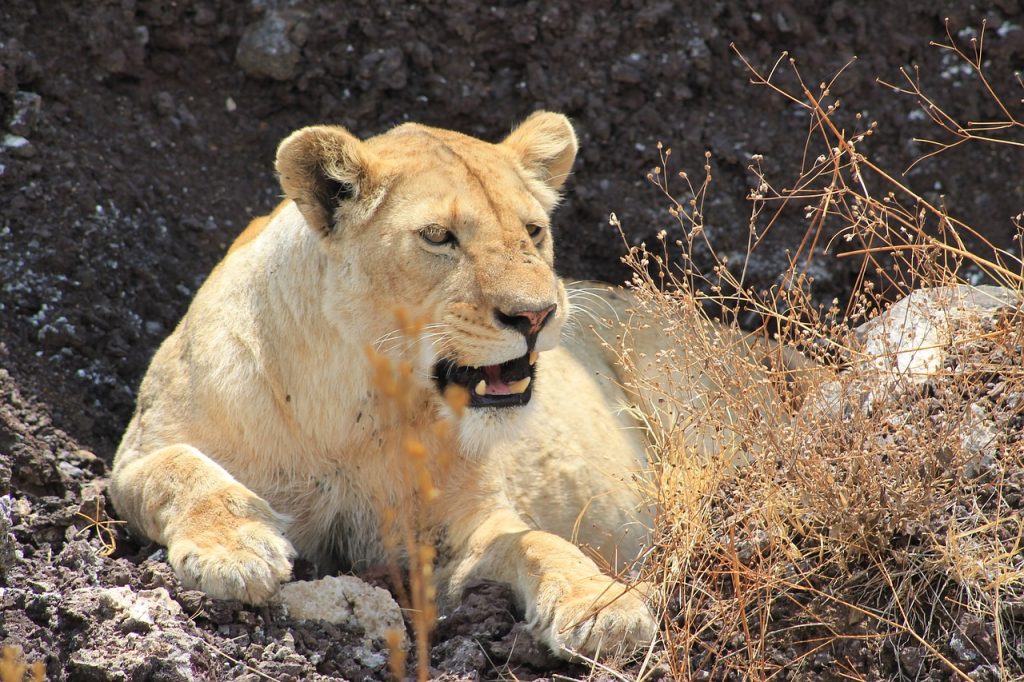
Formed from a massive volcano that erupted around 8 million years ago, Ngorongoro’s cone collapsed, creating a caldera 600 meters deep, 16 kilometers across, and covering 265 square kilometers. The original volcano was estimated to be about 5,000 meters high. Today, the crater floor hosts many of Tanzania’s last remaining black rhinos, along with 25,000 other large animals including lions, cheetahs, elands, zebras, and gazelles. Flamingos and other bird species can be seen feeding at Makat Soda Lake. Early mornings and late afternoons are ideal for spotting leopards in Lerai Forest, while elephants seek shade there during midday. From December to March, the great wildebeest migration brings millions of animals through the area around Lake Ndutu, providing spectacular views.
Outside the crater, Maasai herders continue their traditional way of life, herding cattle and goats alongside zebra and wildebeest. This coexistence of humans and wildlife makes Ngorongoro unique among Tanzania’s protected areas. Hiking in the highlands offers opportunities to explore two smaller craters, Olmoti and Empakai, and even the active volcano Oldonyo Lengai. Hiking is often done on cattle trails, with nights spent camping near Maasai bomas, allowing for cultural exchanges and a deeper understanding of Maasai life.
The Ngorongoro Conservation Area also includes the Oldupai Gorge, one of the world’s most important prehistoric sites. Located in the eastern rift valley, the gorge is marked by steep ravines and is where the earliest known specimens of the human genus, such as Homo habilis, were discovered. The 50-kilometer-long, 14-kilometer-deep gorge, named after the Maasai word ‘Oldupaai’ for the wild sisal plant, is the driest area of the region, nestled in the rain shadow of the Ngorongoro highlands.
Getting There
The Ngorongoro Conservation Area is located 180 kilometers west of Arusha in Tanzania’s crater highland area.
Activities
Oldupai Gorge & Laetoli
Visit the archaeological sites of Oldupai Gorge and Laetoli, where some of the earliest human fossils have been found.
Craters & Wildlife
Explore the various craters, including the famous Ngorongoro Crater, home to diverse wildlife such as lions, elephants, and rhinos.
People and Culture (Maasai)
Engage with the local Maasai people, learning about their traditional ways of life and seeing their iconic attire and customs.
Flamingos & Bird Watching
Flamingos are common at the area’s saline lakes. Bird watchers will enjoy the diverse habitats supporting numerous bird species, including migratory birds during the wet season.
Walking Safaris
Embark on walking safaris to explore the diverse landscapes and encounter wildlife up close.
The Ngorongoro Conservation Area offers an unparalleled blend of natural beauty, rich wildlife, cultural interactions, and historical significance, making it a must-visit destination for any traveler to Tanzania.
