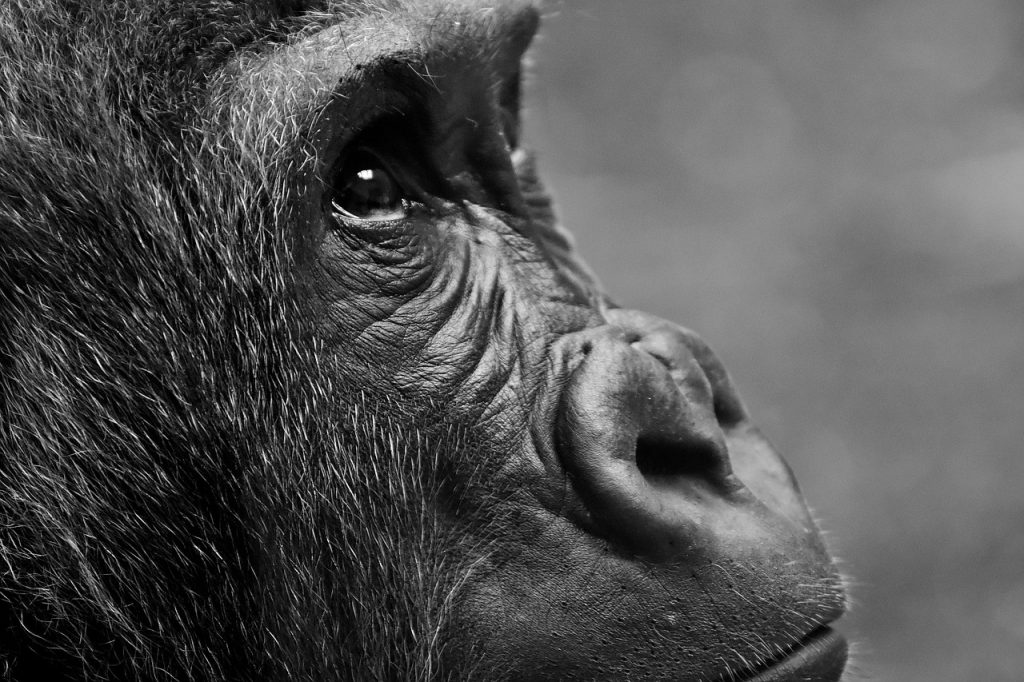
Volcanoes National Park, located in the northwest of Rwanda, is often referred to as Parc National des Volcans in French and Pariki Y’igihugu Y’ibirunga in Kinyarwanda. This park, a significant conservation area in Rwanda, is famed for its breathtaking landscapes and rich biodiversity. Rwanda’s stunning scenery is home to a variety of flora and fauna, including the rare and endangered mountain gorillas that reside in Volcanoes National Park. These unique gorillas are found only in the Virunga Massif, shared by Uganda, Rwanda, and the Democratic Republic of Congo. Of these three countries, Rwanda offers the best gorilla trekking experience, thanks to its proximity to the airport, making the park accessible within 2 to 3 hours. This has earned Rwanda the nickname “home of gorillas in the mist.”
Trekking through the park offers a close encounter with nature, where visitors are surrounded by the calls of birds, monkeys, and lush vegetation. The park features an evergreen bamboo forest, grasslands, swamps, and heath. The massive but gentle mountain gorillas can be seen going about their daily lives—eating, playing, grooming, and resting. Trekking here is an unforgettable experience, although the high altitude makes it generally cold, especially in the evenings. Gorilla viewing is possible year-round.
Covering 160 square kilometers, Volcanoes National Park is home to over 400 mountain gorillas. As part of the Virunga Conservation Area, the park includes several extinct volcanoes such as Bisoke, Karisimbi, Muhabura, Sabyinyo, and Gahinga, which add to the area’s scenic beauty. The park’s ecosystem is characterized by four vegetation zones: bamboo, afro-alpine, sub-alpine, and forest, each found at different altitudes. Gorillas spend most of their time in the bamboo and forest zones, which are part of the Hagenia woodlands.
The late Dian Fossey dedicated her life to studying and protecting these incredible primates. Her work, featured in the internationally acclaimed film “Gorillas in the Mist,” was based in Volcanoes National Park. Fossey conducted her research at the Karisoke Research Center for 18 years until her death on December 26, 1985. Her efforts have paved the way for today’s gorilla tourism, which directly supports conservation.
There are currently 10 gorilla families in Volcanoes National Park available for tourists, with eight tourists allowed per group per day. Permits must be booked in advance. The Amahoro group, led by the calm and easygoing Ubumwe, requires a steep climb to reach but is worth the effort. The Hirwa group formed from members of Group 13 and Sabyinyo, with Silverback Guhonda leading the Sabyinyo family, which is small but impressive. The Hirwa group had previously crossed to Uganda in August 2019, but returned to Rwanda in April 2020 with only 11 members after some were lost to lightning. The Kwitonda group, with 18 members, migrated from DR Congo and is led by Silverback Kwitonda. Group 13, originally with 13 members, has grown to approximately 25, which is positive for conservation. The Umubano group split from Amahoro after a leadership challenge, and now Charles leads this 11-member family. The largest group, Susa, includes 41 gorillas and is known for having rare five-year-old twins, Byishimo and Impano. Although this group ranges in the high mountains, making it difficult to trek, visitors are rewarded with the sight of a large family and stunning views.
Activities in Volcanoes National Park
Gorilla Tracking
Gorilla tracking is the most popular activity in Volcanoes National Park, Rwanda. The park has 10 habituated gorilla families that can be tracked daily, with each group accommodating up to eight visitors. The day begins early at 7 am at the park headquarters in Kinigi, Musanze district, with registration and a briefing by the Rwanda Development Board (RDB) on trekking rules and safety. After the briefing, visitors are divided into groups and assigned rangers who lead the trek into the forest. Gorilla tracking can be physically challenging, lasting anywhere from one to eight hours, depending on the gorillas’ movements. Once you find the gorilla group, you will have one hour to observe and photograph these incredible animals as they play, eat, and groom each other. A permit for gorilla tracking in Rwanda costs $1,500, which, although more expensive than in Uganda ($600) and the DRC ($400), contributes significantly to conservation efforts and the local community.
Bird Watching
Volcanoes National Park is a prime birding destination in Rwanda, known for its rare Albertine Rift endemics. Bird enthusiasts should come prepared to capture the diverse and spectacular birdlife in the park.
Golden Monkey Tracking
Golden monkey tracking in Volcanoes National Park is another exciting activity, similar to gorilla tracking, and starts at 7 am with a briefing. The park has two habituated troops of golden monkeys, totaling about 80 individuals. These monkeys primarily live in the bamboo forests and are known for their active behavior, making them both fascinating and challenging to photograph.
Trekking the Dian Fossey Tomb Trail
Trekking to Dian Fossey’s tomb is a highly sought-after activity. This trail takes you to the grave of the famous American primatologist who dedicated nearly 20 years to studying and protecting mountain gorillas. Starting from the park headquarters, a 30-minute drive takes you to the trailhead leading to the Karisoke Research Center. From there, it’s a 10-minute walk to the park boundary and another 1 to 2 hours to reach Fossey’s tomb. At the site, you can see the house where Fossey was mysteriously murdered in 1985, her grave next to her favorite gorilla Digit, and the graves of about 20 other gorillas. The trek offers opportunities to see various bird species, forest elephants, and forest hogs.
